


Smartphones and Mental Health

Smartphones and Mental Health
The Dark Side of Dopamine
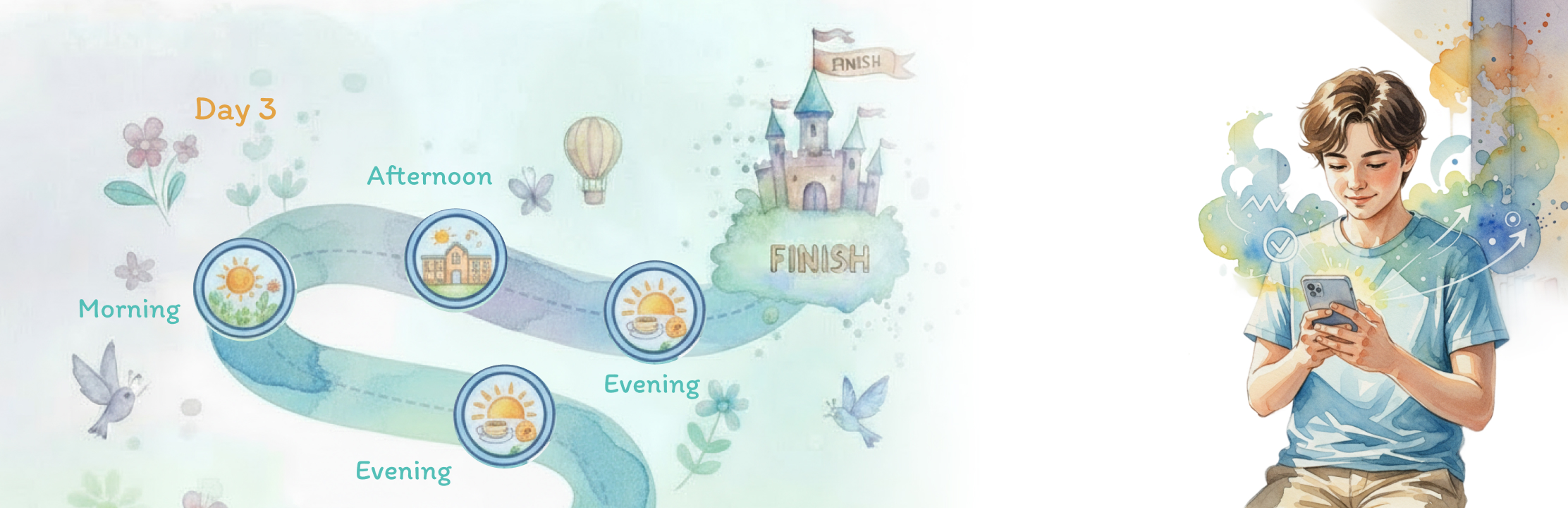
This UX Research project consisted of a Diary Study and a Contextual Interview spanning over 2 months to identify the aspects of smartphone usage that affect users’ mental health and well-being
Year
2025
Industry
UX Research
My Roles
Project Coordination
Documentation Lead
Artifact and Model Design
Interviewing
Notetaking
Visioning
Wireframing
Storyboarding
Collaborators
Sarah Patil
Arindam Shiva Tripathi
Kai-Ting Chiu (Christy)
Maria Hernandez
Portfolio (PDF)

Problem Statement
With the pervasiveness of smartphones in almost every area of our lives, we wanted to uncover how far reaching their impact is - especially within the context of mental health.
Therefore, the purpose of this study was to specifically investigate the complex relationship between people’s smartphone usage and their mental and emotional states.
Tools
FigJam (for Affinity Diagramming)
Figma (for Model Design and Wireframing)
Google Sheets (for Project Planning and Data Analysis)
Google Docs (for Documentation)
Samsung Notes (for Storyboarding)
Figma Slides (for Portfolio Presentation)

Vision
Exploring how people experience and make sense of smartphone use in their everyday lives, and how this use may relate to emotions, wellbeing, and self-regulation.

Values

Objectives
Understanding the context within which smartphones fit into people’s daily routines
Exploring emotions people associate with using their phones across different times of the day
Examining how people attempt to manage, limit, or structure phone usage
Investigating how different contexts shape smartphone use and related experiences

Target Audience
Heavy smartphone users (6+ hours a day)
Aged 20-30 years

Research Process
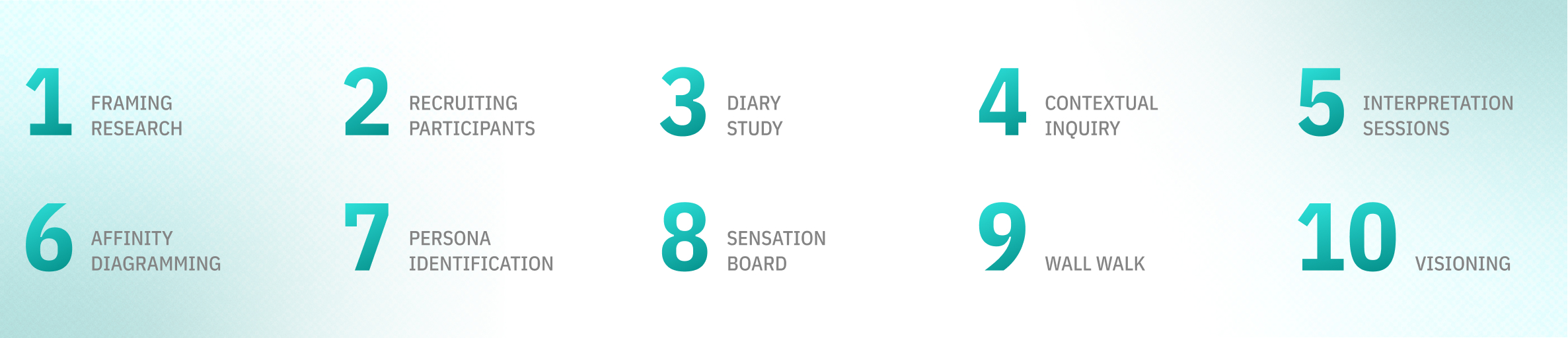
Research Question
“What relationship do people have with their smartphones, if any and how does this correlate to their mental and emotional states?”
Participants
9 participants
8 female, 1 male participant
Convenient Sampling
Aged between 20-30 yrs
67% respondents were Latinx; 33% were Asian
56% respondents were International Students
Participant Rights and Wellbeing
Informed Consent
Participants received clear consent information (purpose, procedure, time, data use)
Participation was voluntary; all participants were 18+
Verbal consent obtained before any audio/video recording
Right to Withdraw
Participants could skip questions or withdraw at any time
No penalty or explanation requiredg
Confidentiality & Anonymity
Data anonymized using participant codes
No identifying information in reports or presentations
Raw data accessible only to the research team

Methodology
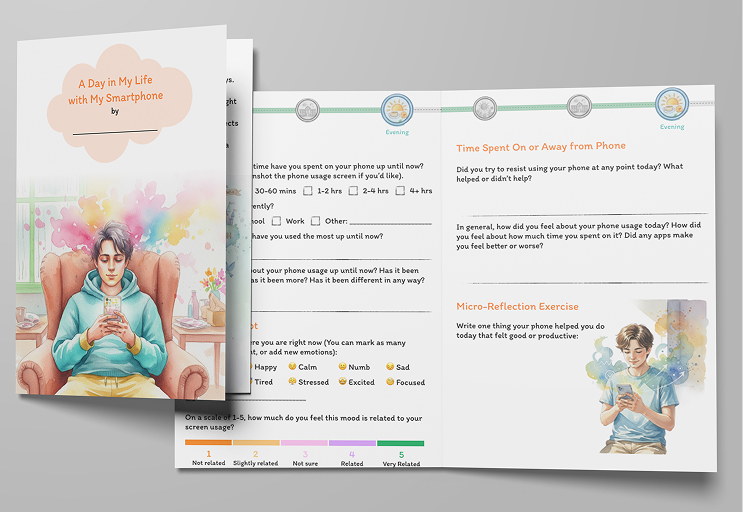
Diary Studies
Participants filled out an illustrated diary template thrice a day for 3 days
The diary template can be found here
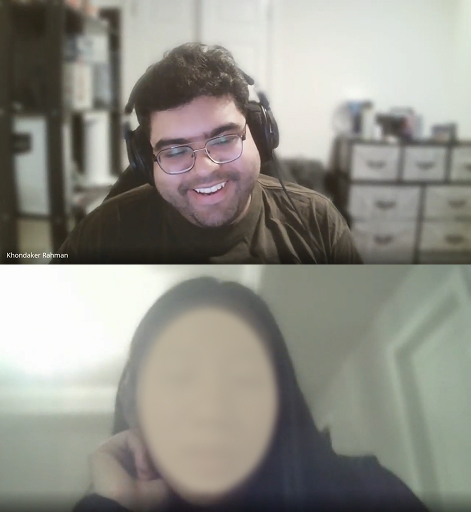
Contextual Interviews
We conducted 30 min semi-structured interviews with participants while observing them use their smartphones
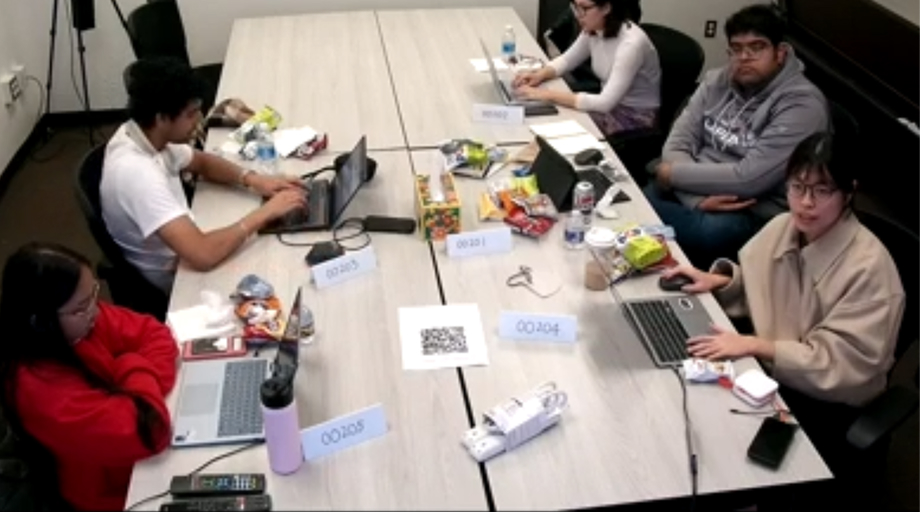
Interpretation Sessions
3 sessions
60-90 minutes
In-person
Conducted within 48 hours of Interviews
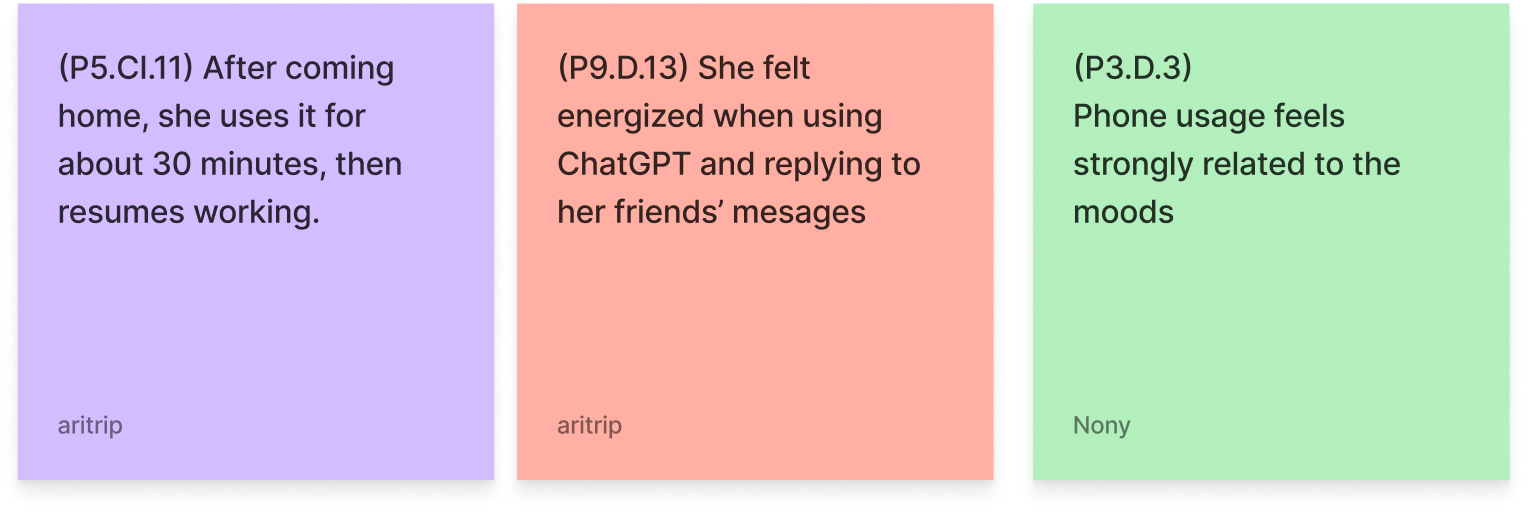
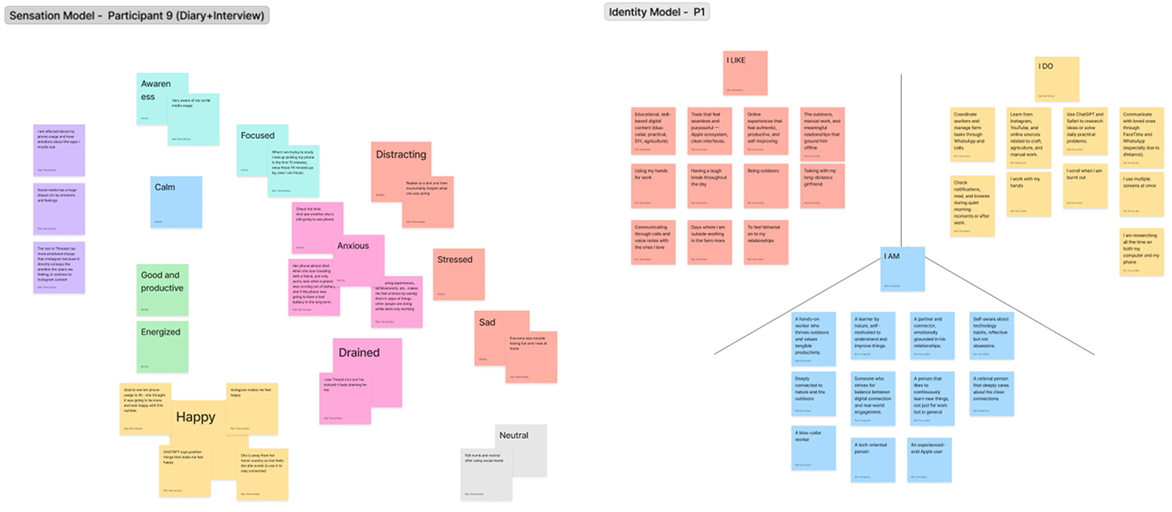
Generated Affinity Notes and draft Models
Affinity Notes
Draft Models

Key Findings
Smartphone-induced Anxiety
7 out of 9 participants reported feeling anxiety or other negative feelings after scrolling
Most Frequent Apps
Instagram
TikTok
Messages
Spotify
Double Screening
78% participants reported double-screening, often during academic pressure or boredom
Phones as Emotional Anchors
All the international students within our participant pool used phones as emotional anchors during stress, loneliness, or academic pressure

Affinity Diagramming
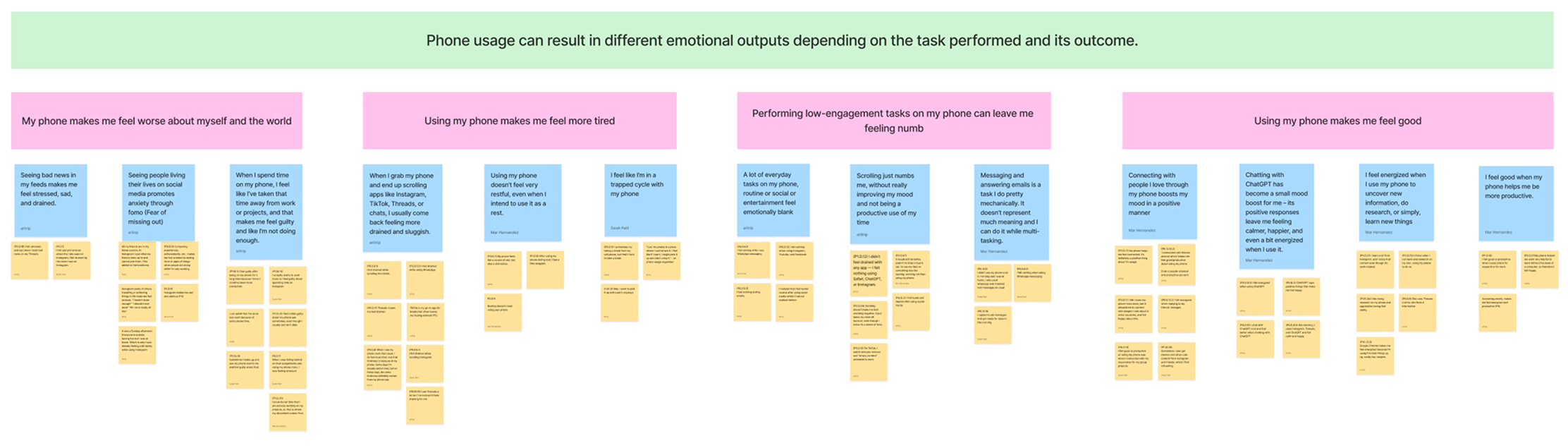
The Affinity Notes were re-organized according to their relationships and an Affinity Diagram was produced.
The diagram can be viewed in its entirety here
Personas
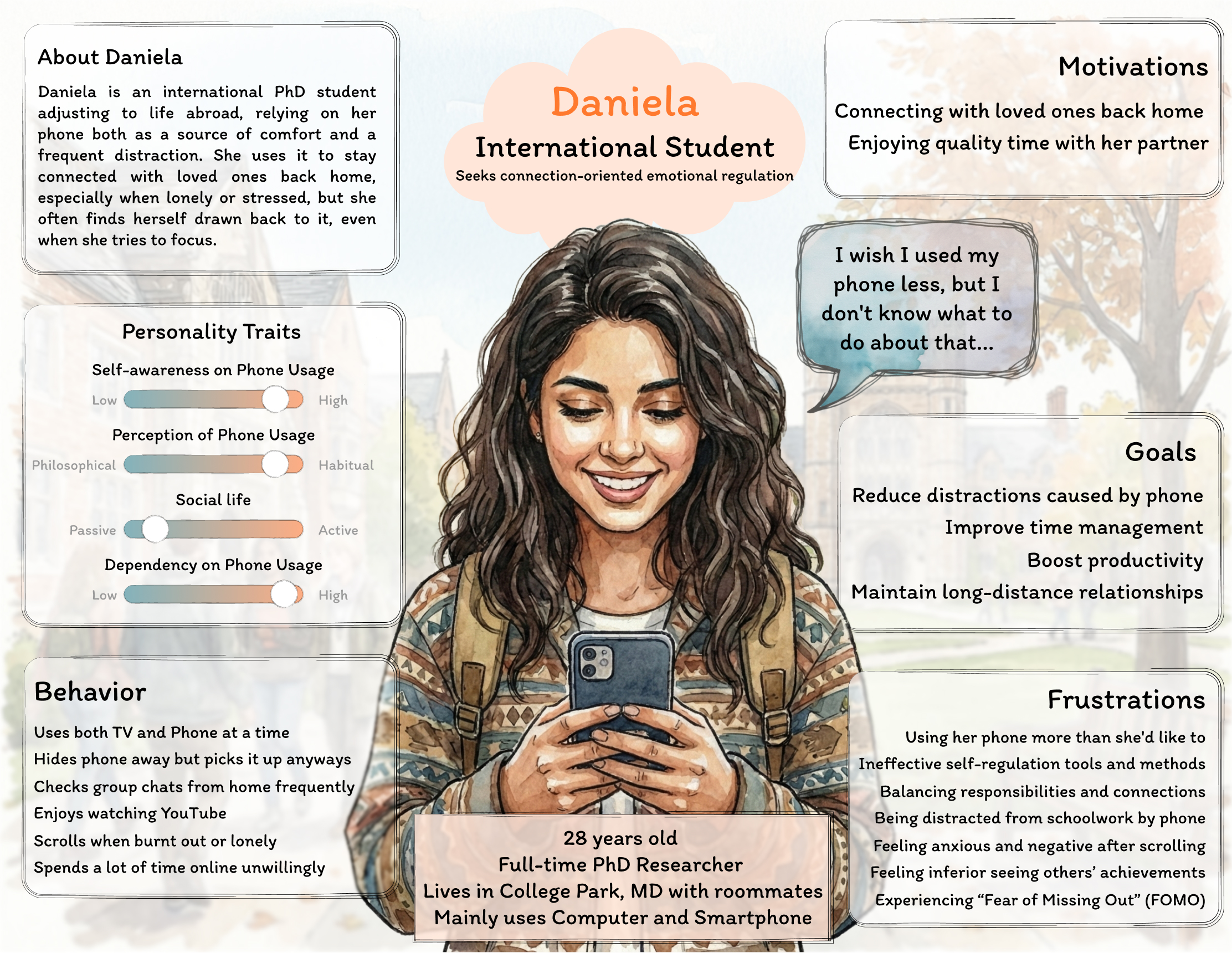
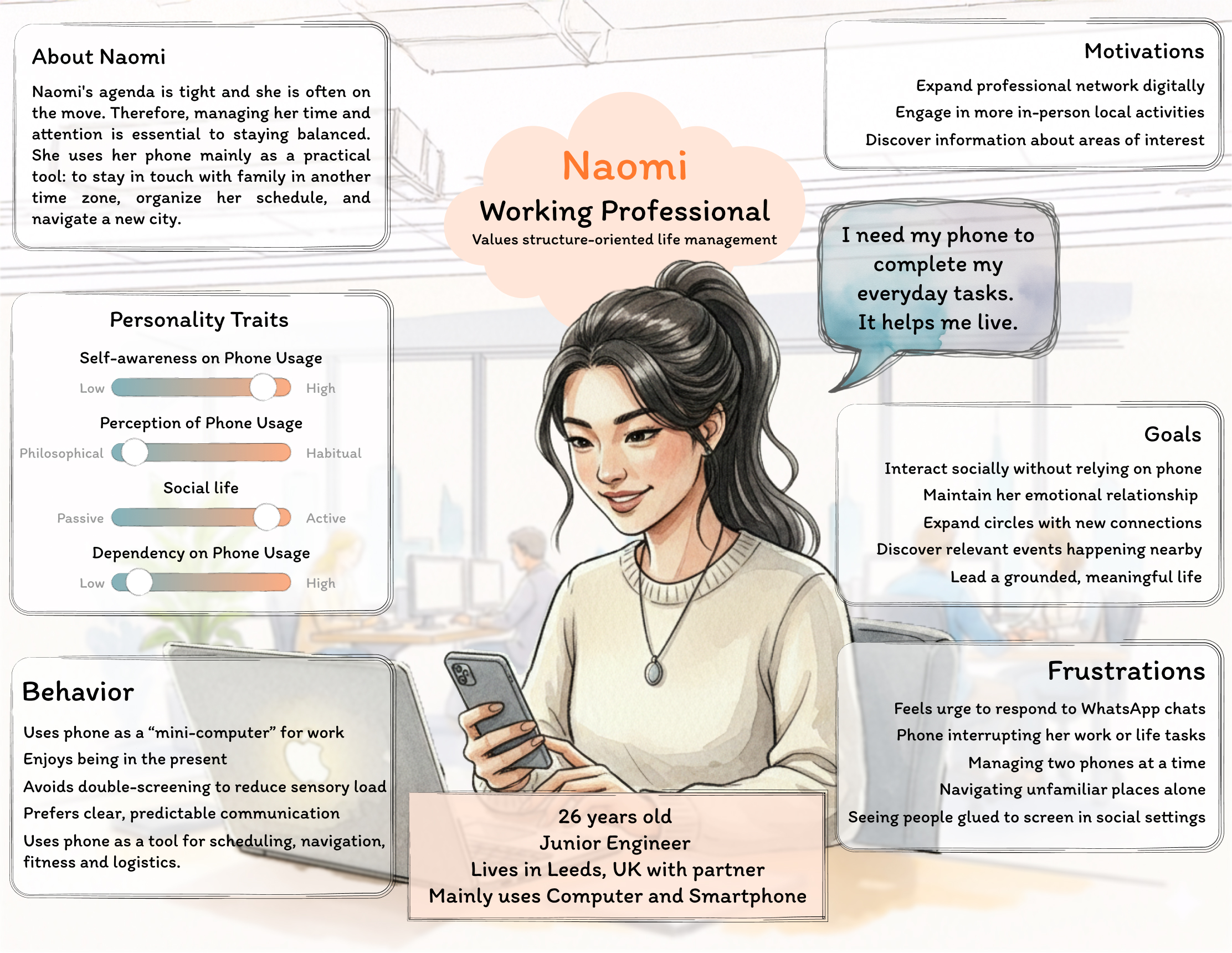
Two distinct personas emerged from our Affinity Diagram - Daniela (International Student) and Naomi (Working Professional)

Sensation Board
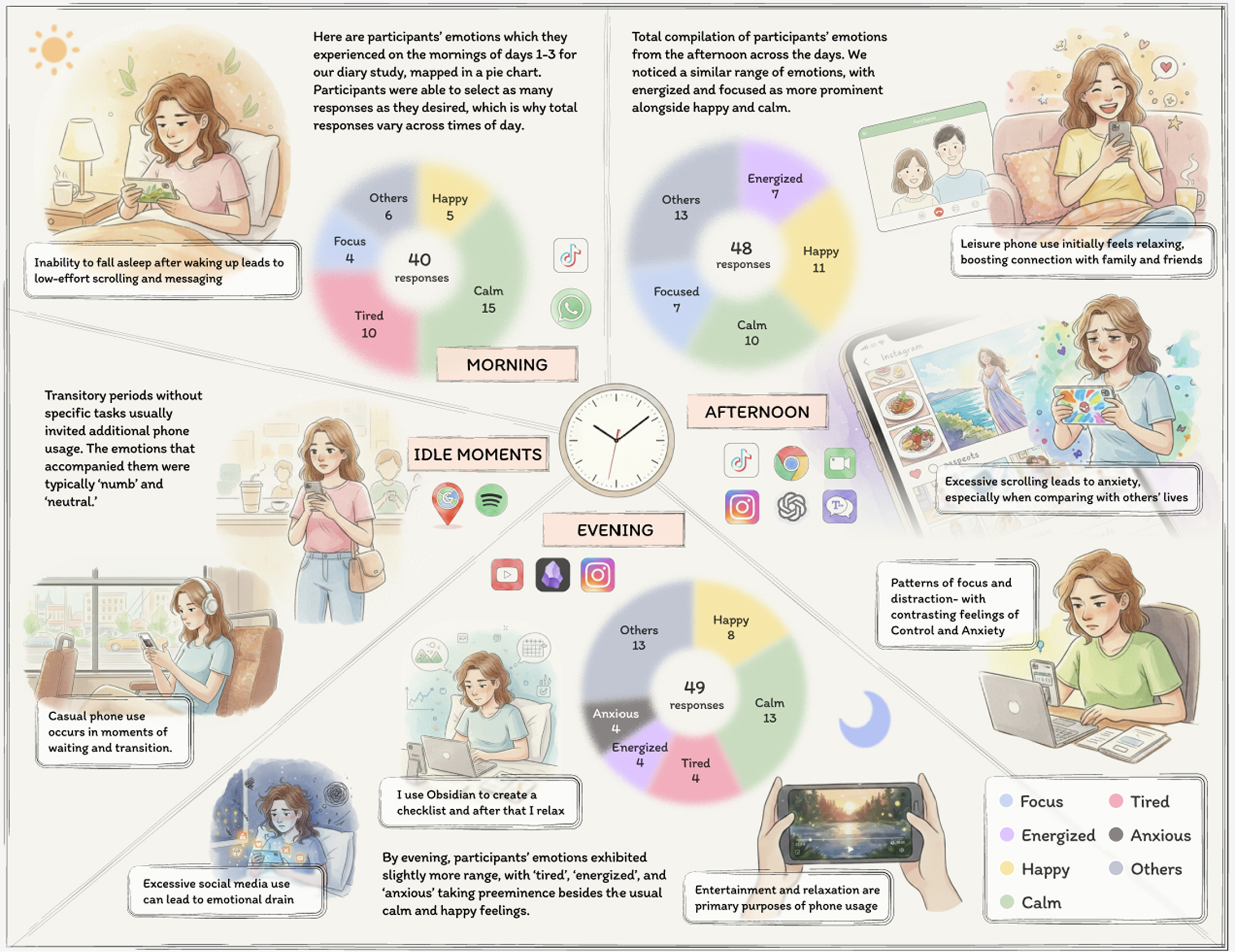
Wall Walk
We organized a Wall Walk consisting of our Affinity Diagram, Personas and Sensation Boards inviting faculty members and fellow students. They engaged silently with the Wall and left us Questions and Hot Ideas in the form of sticky notes.
You can watch a video of the Wall Walk here


In Class Critique
We re-iterated some of the Visioning Sketches before the finalizing the Product Concept based on the Questions and Hot Ideas received during the Wall Walk
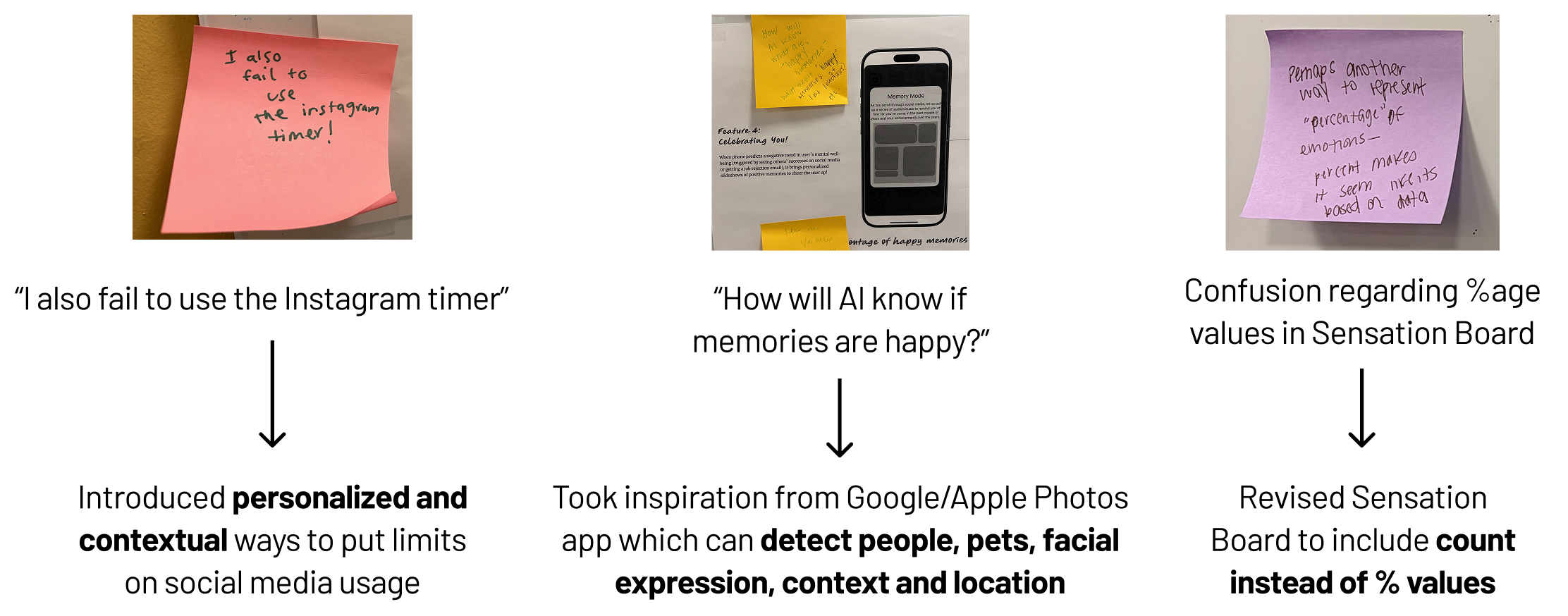
Visioning Process


Ideas
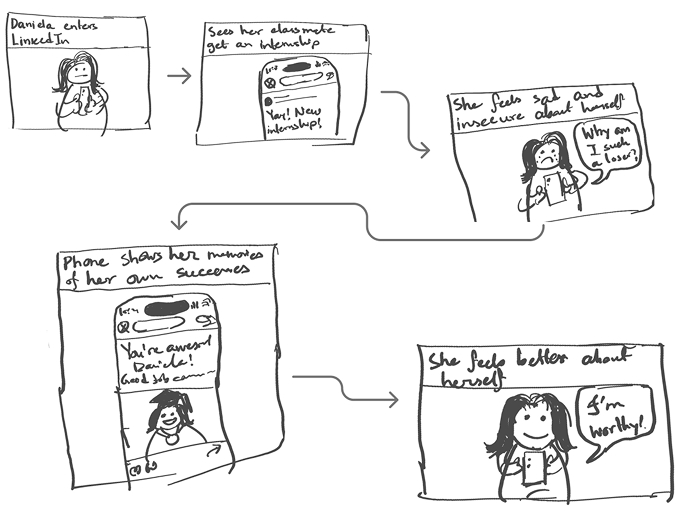
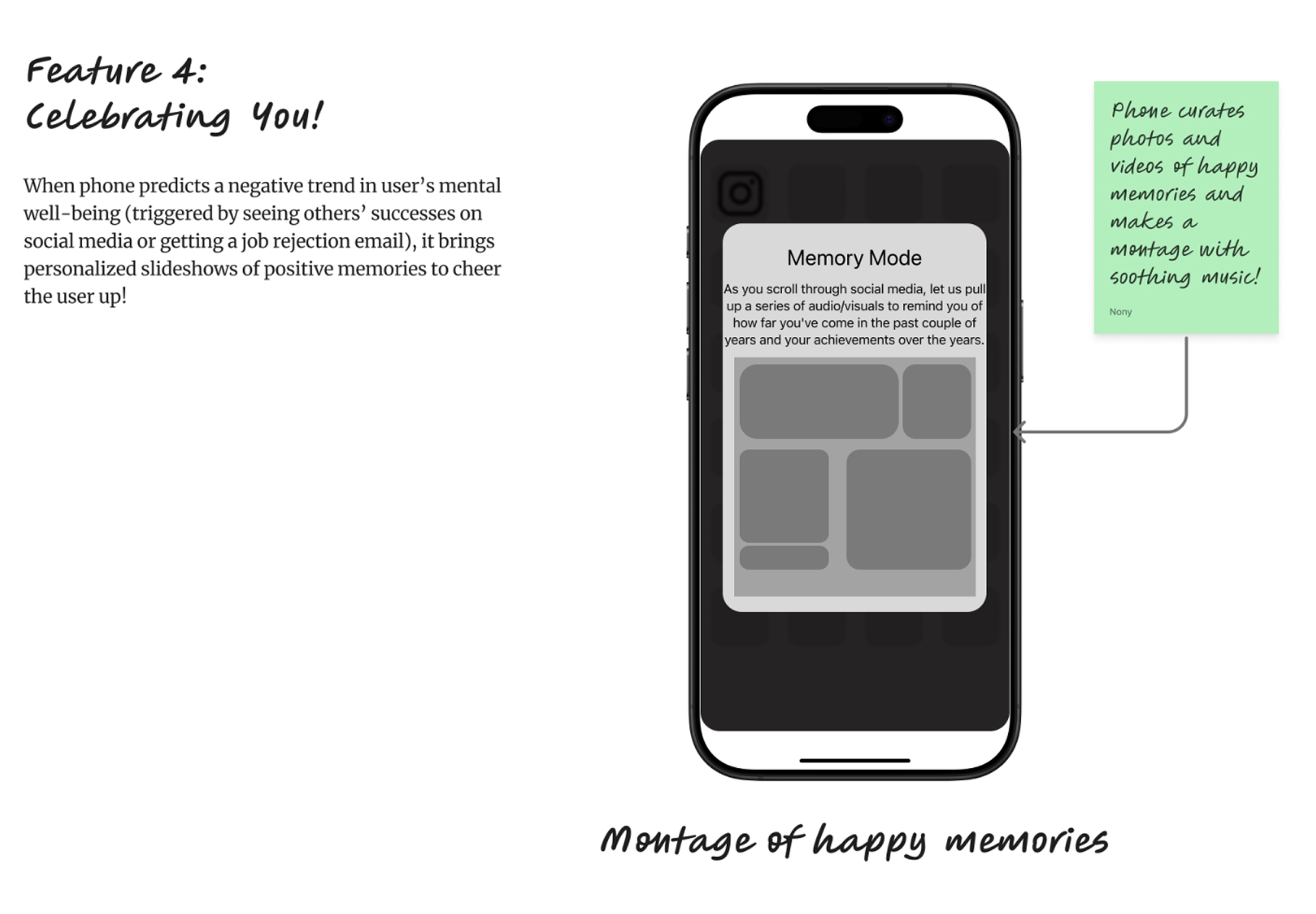
Celebrating You
In our research, many users reported feeling inferior after comparing their own lives with that of others in social media. In such moments, we propose showing users positive memories and accomplishments from their own life to help them feel better
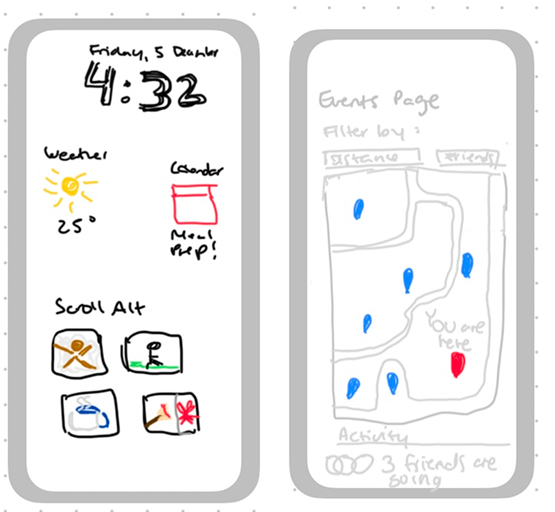
ScrollALT
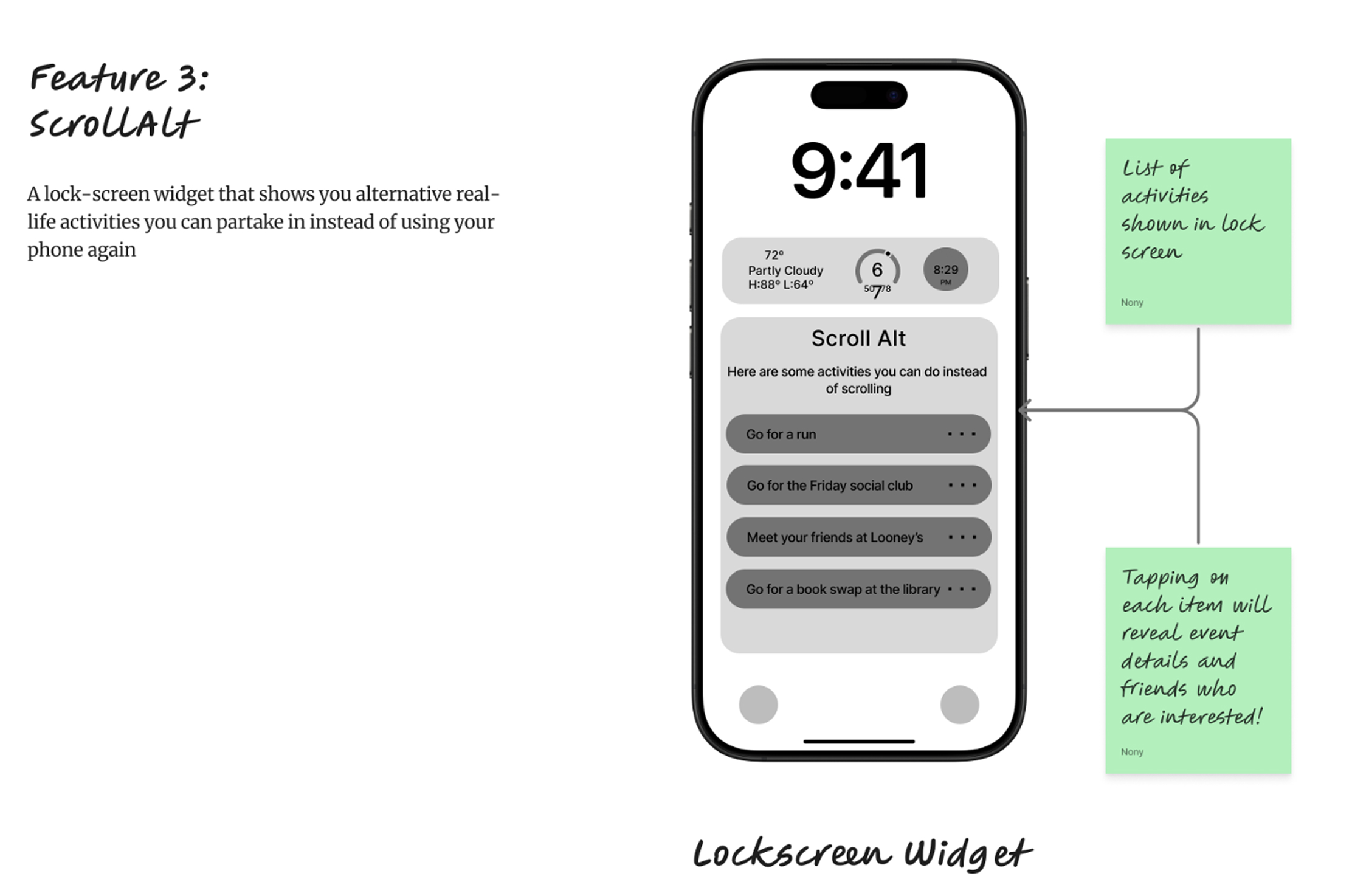
Some users said they use smartphones simply because they cannot find alternative real-life activities to engage in. ScrollALT is a lock-screen widget that shows users what activities they could partake in instead of doomscrolling on their phones
Focus Mode 2.0
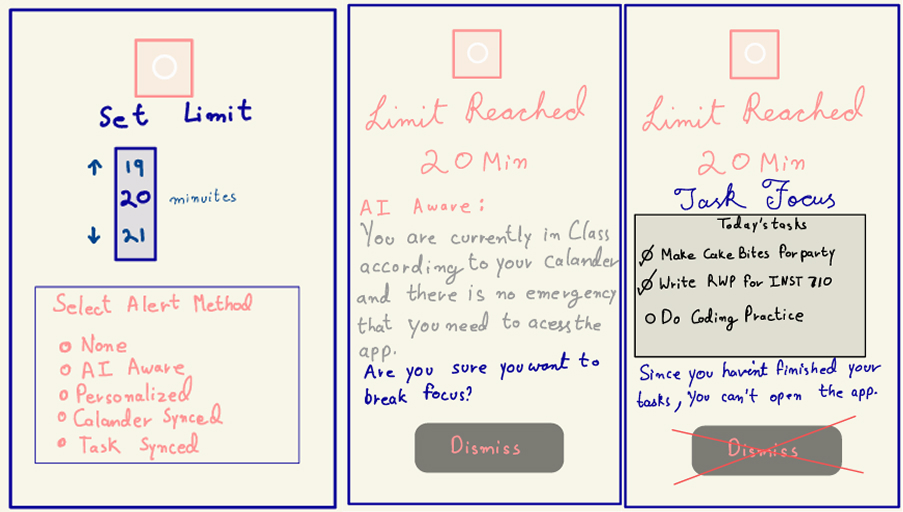
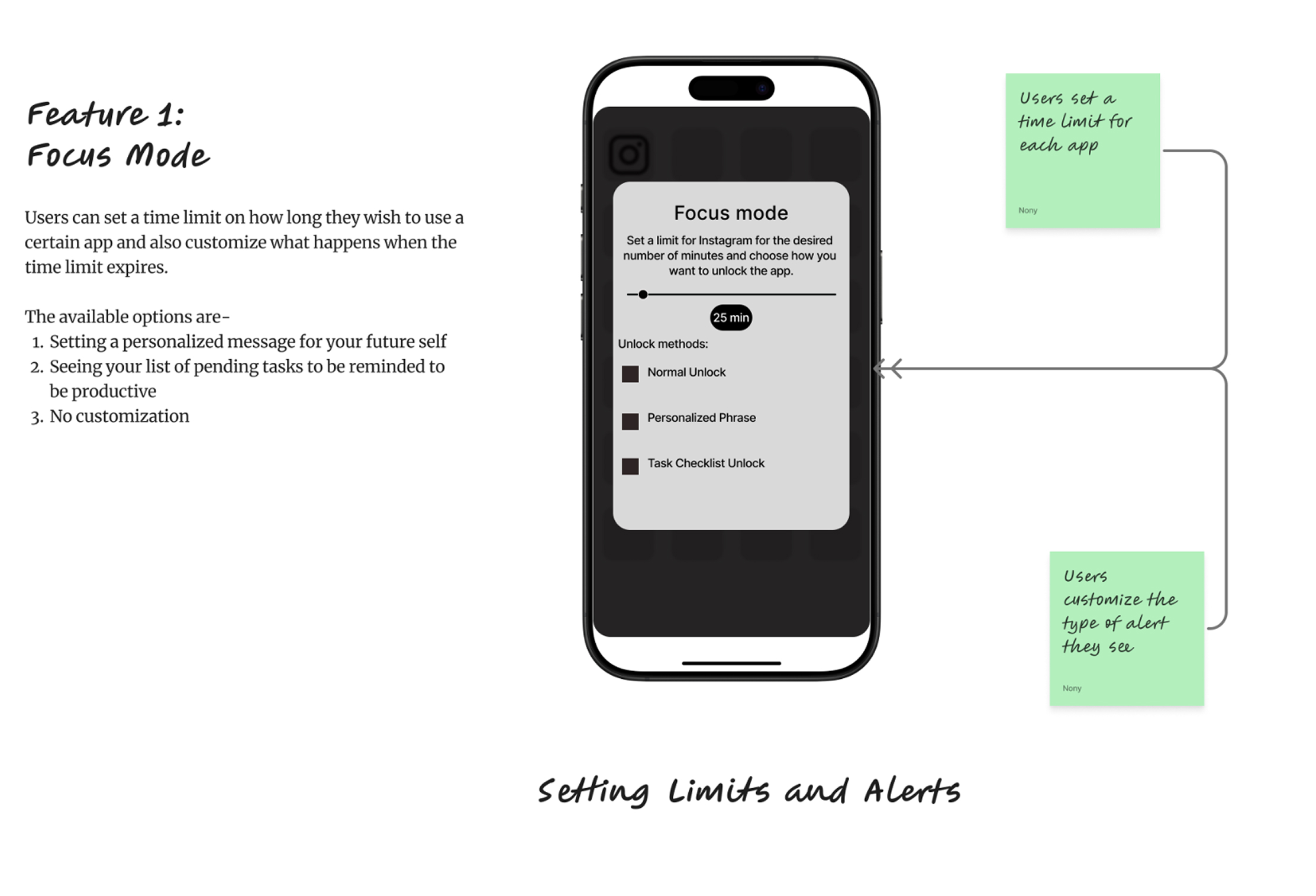
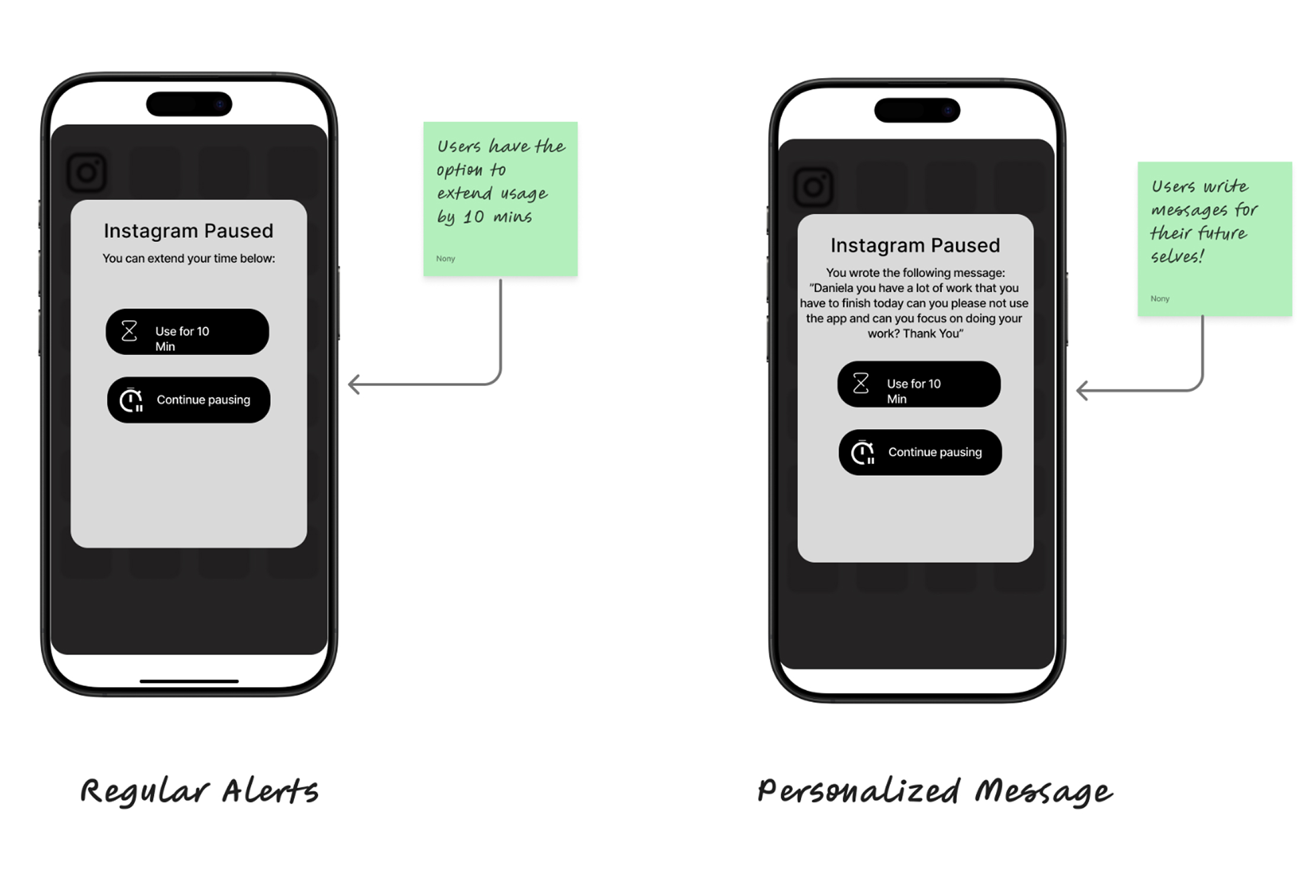
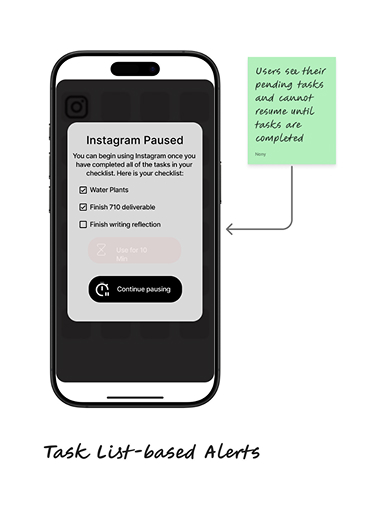
Users reported that traditional Focus Mode or Digital Wellbeing tools were insufficient to regulate their smartphone usage as they are very easy to bypass. To solve this, we came up with alerts that users can personalize to improve efficacy.
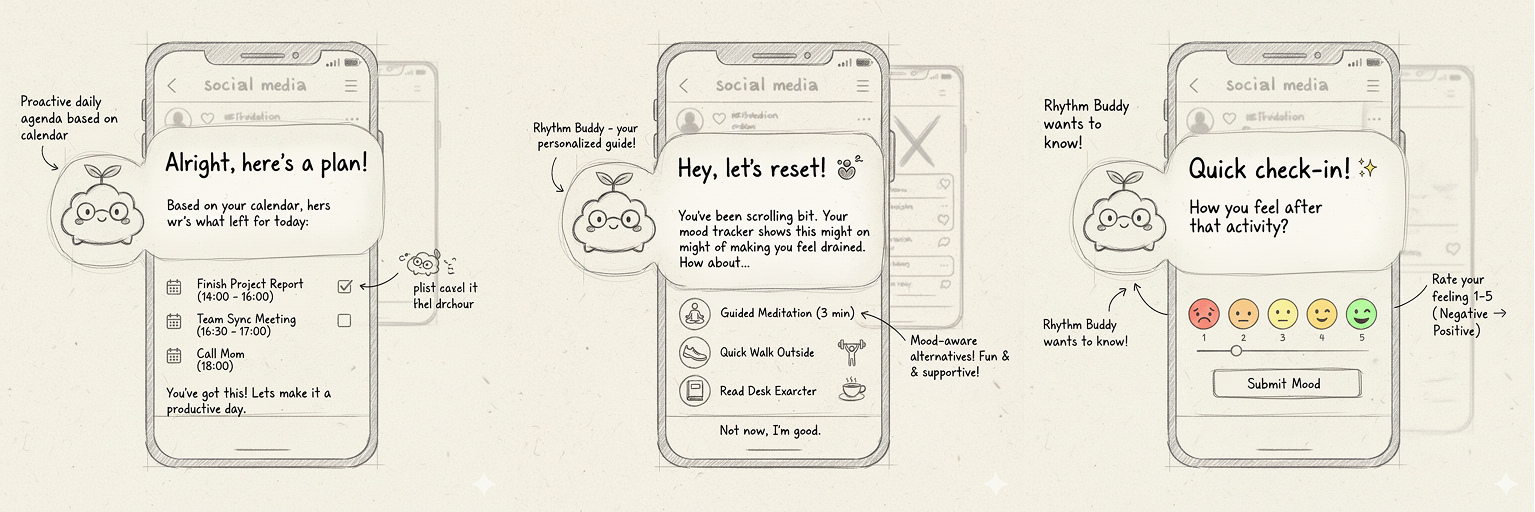
MoodCloud
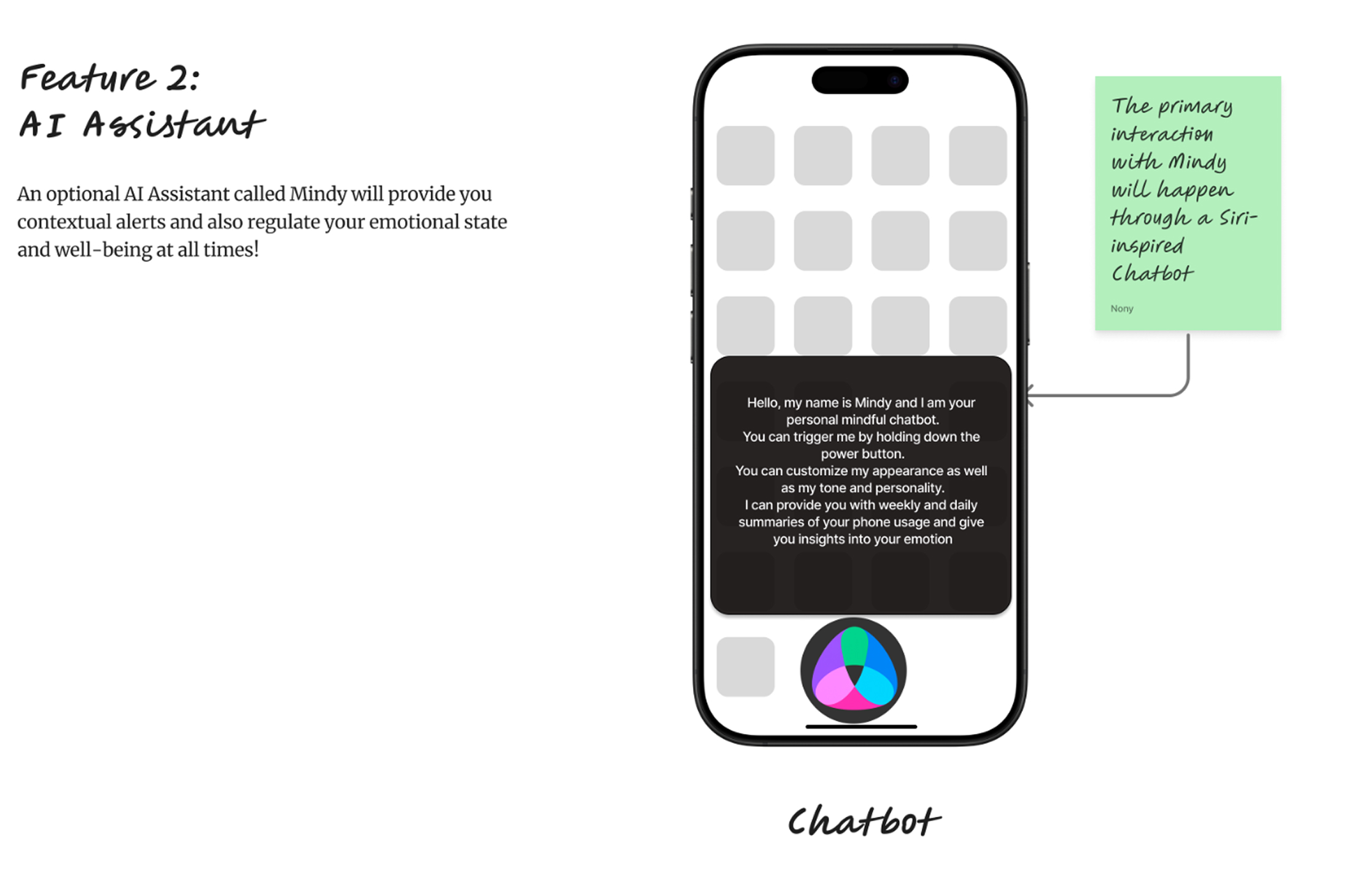
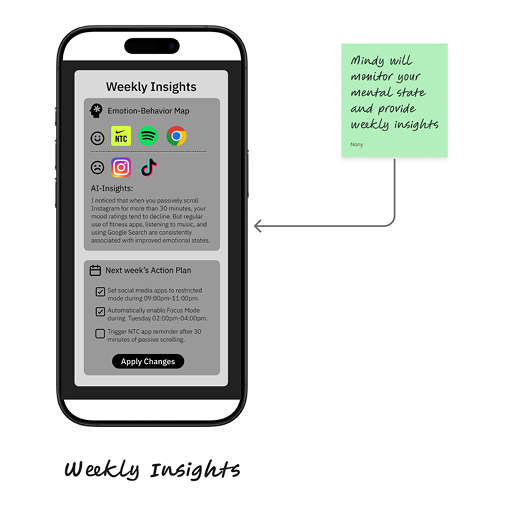
An AI-based Assistant that monitors your smartphone usage, generates weekly reports and provides contextual alerts to regulate usage
Evaluation
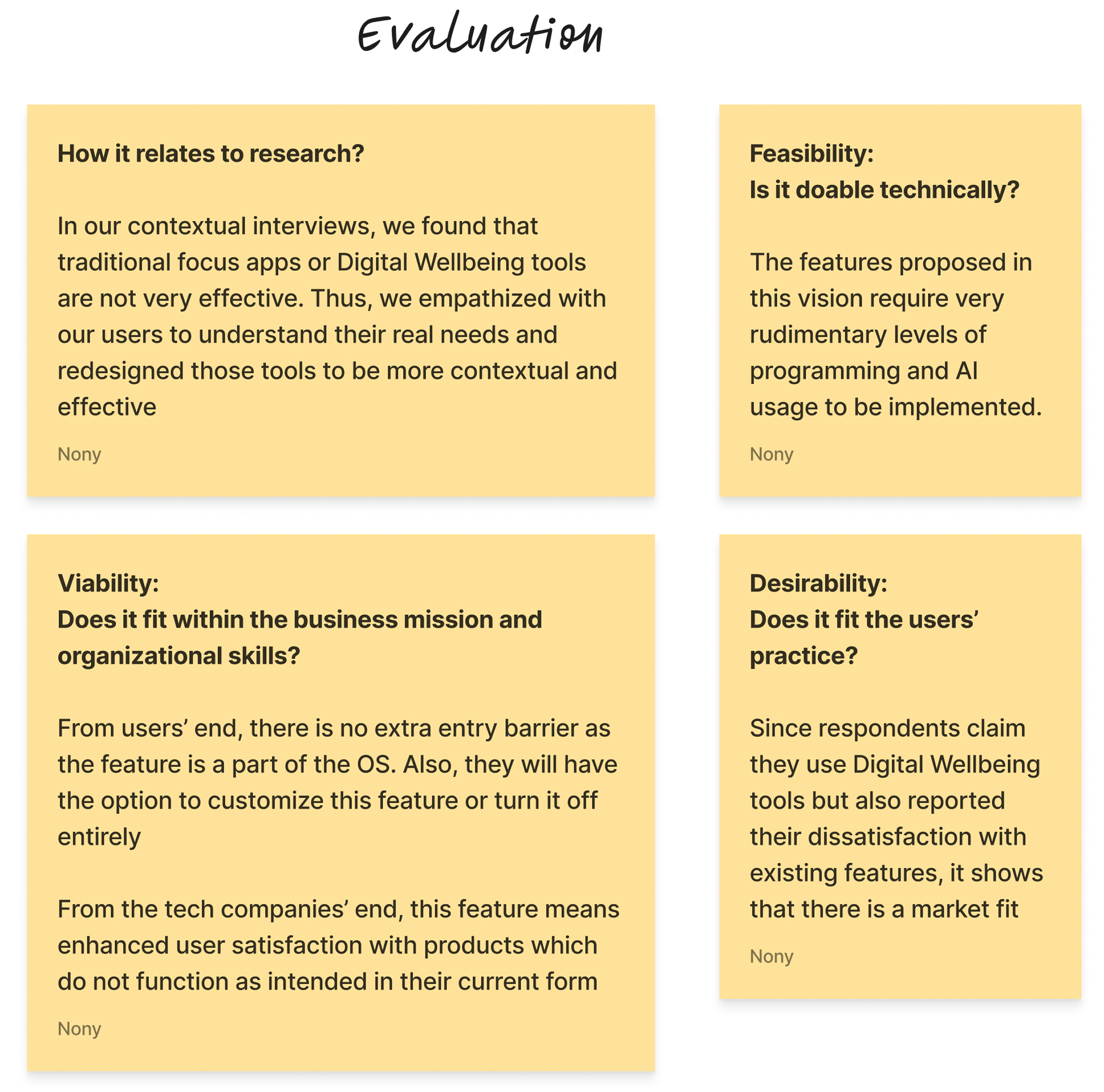
We performed an FDV (Feasibility, Desirability and Viability) Analysis of each of the ideas and ensured they were grounded in authentic research data
Tagging
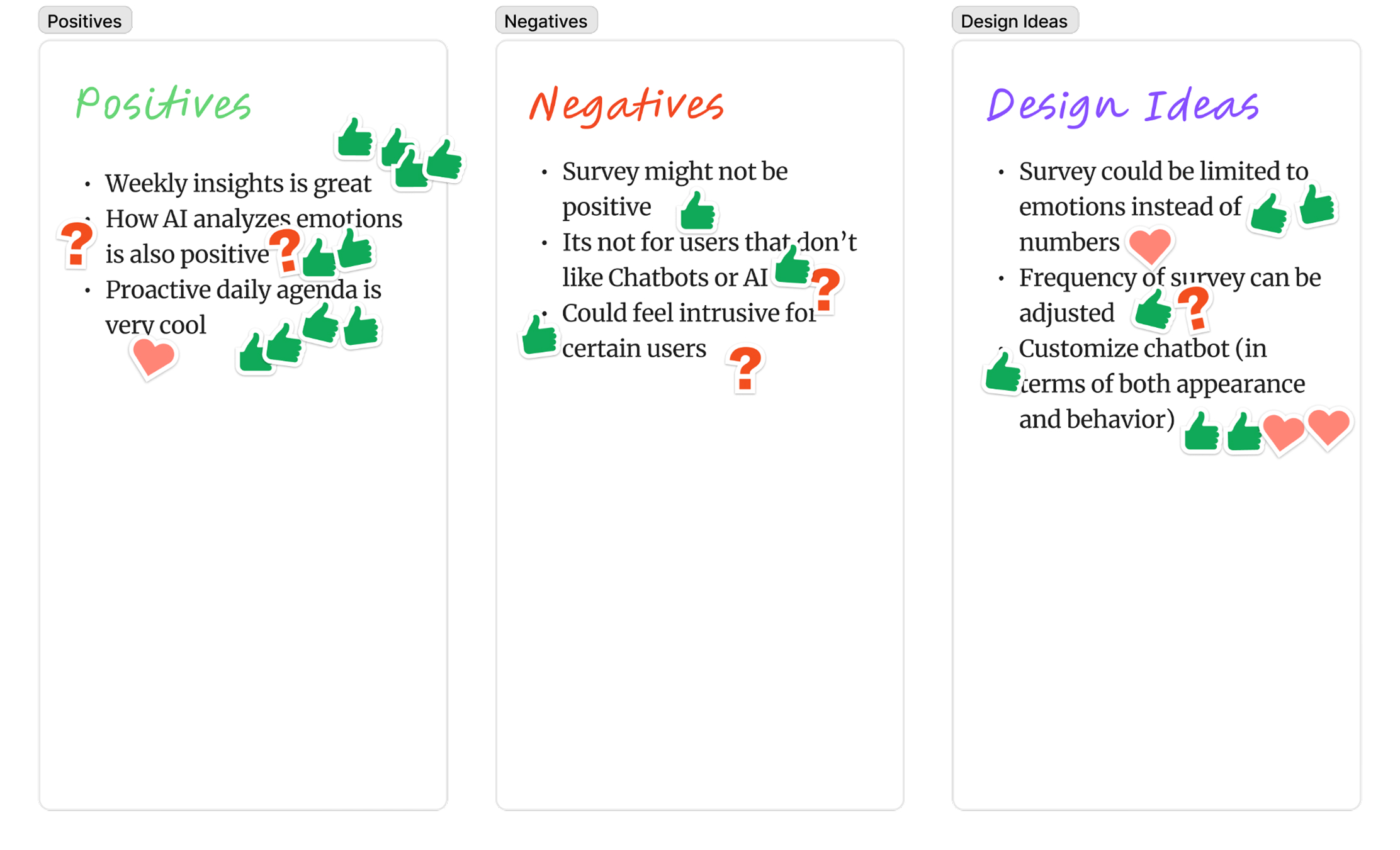
As a team, we placed stickers on the ideas indicating whether we want to keep them, toss them or work on them further

Final Product Concept
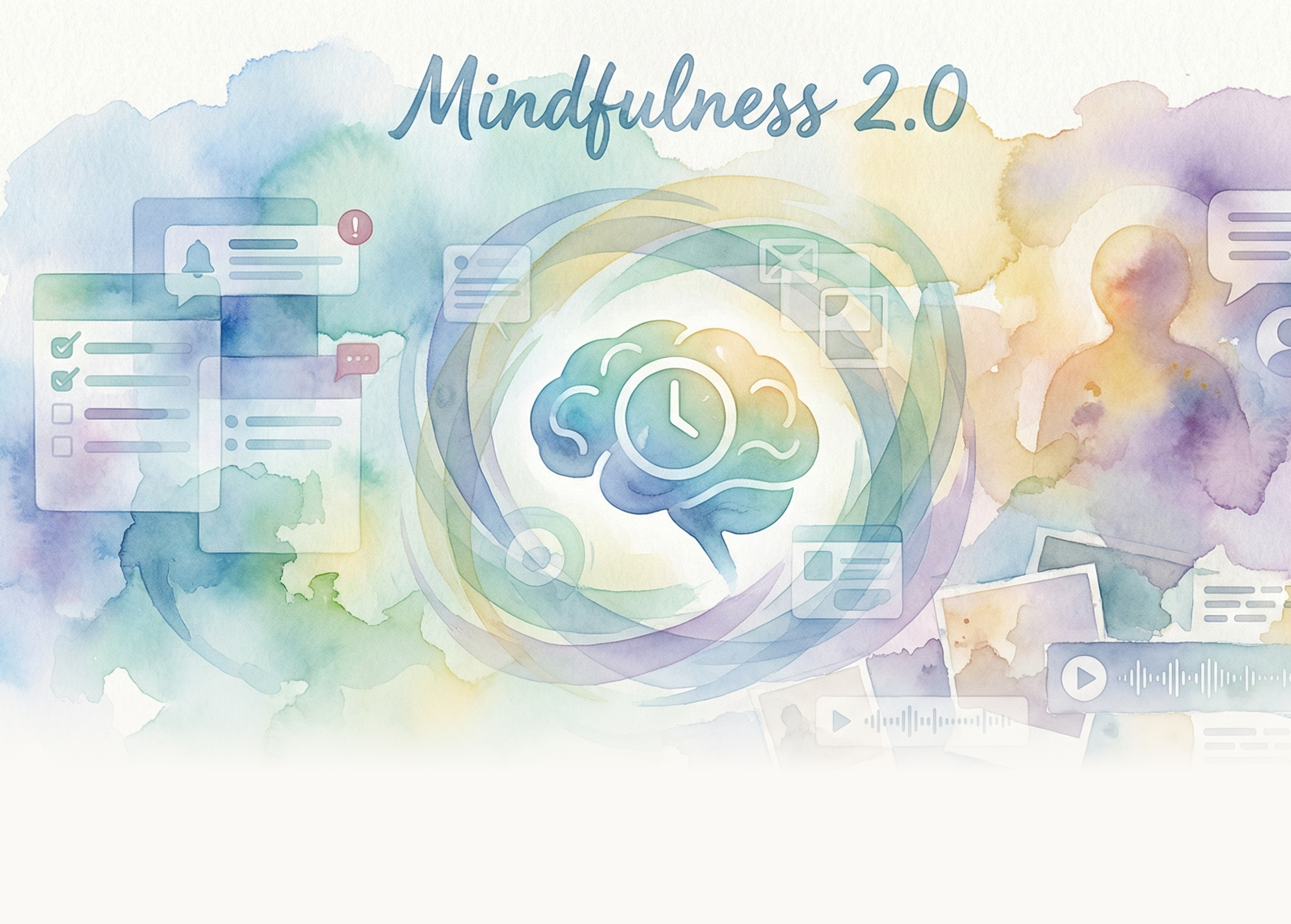
Mindfulness 2.0 is an OS-level digital well-being tool that helps users stay aware of their emotional state, usage patterns, and intentions
Retrospective
What I Learned
Interpretivism vs Positivism
While a Positivist research stance would opine that smartphone usage is inherently “bad”, our research revealed that some users felt productive because of it. This makes our research take more of an Interpretivist stance.
Benefits of Multiple Research Methods
Implementing more than one research method not only helps achieve triangulation but also allows us to offset the shortcomings of each method with the strengths of the other
The audience was not there with us!
Often while immersed deep in research for a long time, we tend to take certain aspects for granted. While presenting our findings to the audience, we may make the mistake of skipping those things which lead to “holes” in the narrative. Thus, while presenting, we must go back to the basics!
Challenges/Trade-Offs
Absence of Male Perspective
Only 1 out of 9 research participants was male. Thus, our findings may have been heavily skewed towards female smartphone users
Small Sample Size and Convenient Sampling
A sample size of 9 is too small to make any conclusive remarks. It can merely indicate potential areas of interest
Use of AI Tools for Visualization
GenAI tools were used for visualization purposes throughout the project. While they did not influence data collection, analysis, or interpretation, they may shape how findings are visually perceived.
Privacy Risks in Product Concept
Most of our proposed solutions revolve collecting, storing and analyzing sensitive user data. However, our solution does not provide any answer to how concerns regarding privacy and ethics would be handled
What would I do differently now?
Recruit more diverse participants in terms of gender, race and occupation
Conduct a longitudinal study to detect whether there are any changes in pattern in the long term
Consider user privacy while finalizing the product concept

Acknowledgement
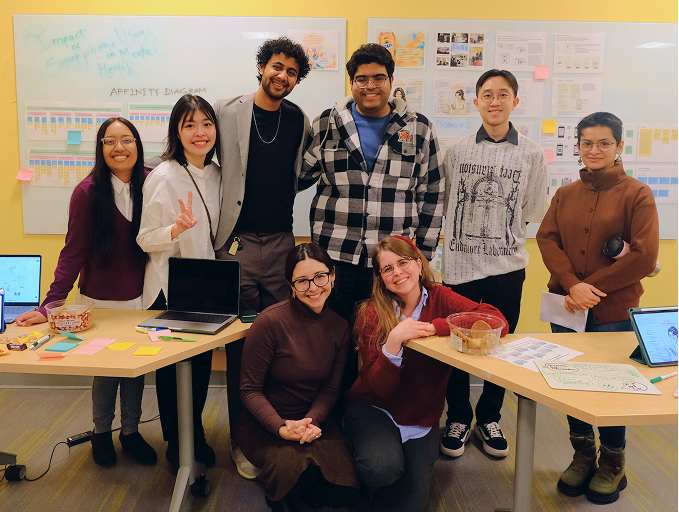
I would like to express my gratitude to Professor Stephanie Valencia, PhD for being such a wonderful mentor and guide throughout the research process along with the TAs, Pooja and Ethan!
I also thank those who interacted with the Wall Walk and left invaluable feedbacks and ideas!
Lastly, thank you for reading my portfolio!


4+ Years in PRODUCT DESIGN
HCIM STUDENT @ UMD